Wokijo: A Handwritten Font That Elevates Web Design
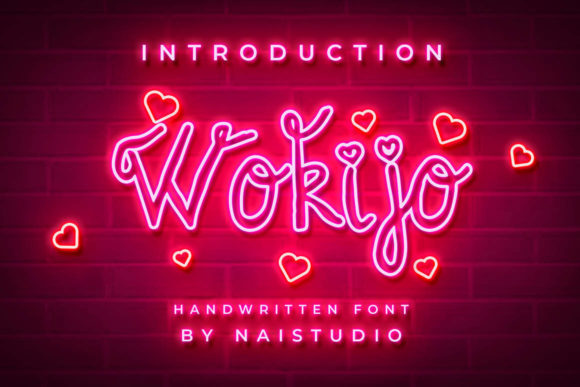
I was working on a new portfolio site for a graphic designer when I stumbled upon Wokijo. It’s a stylish and quirky handwritten font that immediately caught my eye. The moment I tested it in the hero section, I knew it had potential to transform the visual identity of the project.
The First Impression: A Unique Typographic Statement
Wokijo has a distinct personality—soft, elegant, and slightly playful. Its flowing curves and irregular spacing give it a handcrafted feel that feels both modern and nostalgic. As I previewed it on a mobile screen, I noticed how it maintained its charm without sacrificing legibility. That’s a rare quality in a script font, especially one designed for digital use.
It’s not just about aesthetics. Wokijo brings a sense of warmth and individuality to any design. For a creative portfolio, this can be a powerful asset. It adds character without overpowering the content, making it ideal for headers, subheadings, and call-to-action buttons.
Where to Use Wokijo on a Website
Wokijo shines in areas where a bit of flair is needed. Here are some practical uses:
- Hero Sections: A bold headline using Wokijo can make a strong first impression.
- Call-to-Action Buttons: Its unique style makes it perfect for stand-out CTAs.
- Logo Text: Wokijo can serve as a brand’s signature font, adding a personal touch.
- Blog Headers: It works well for titles or quotes that need a more artistic edge.
- Product Landing Pages: Used sparingly, it can highlight key features or promotions.
- Online Store Banners: It adds a creative twist to product displays.
When used thoughtfully, Wokijo can elevate the overall design while maintaining readability and user engagement.
Readability and Responsiveness
One of the biggest concerns with script fonts is their readability, especially on smaller screens. I tested Wokijo across different devices and found that it performed admirably. On mobile, the font remains clear and easy to read, even at smaller sizes. However, I recommend using it for short phrases or headlines rather than long body text.
For better contrast, I paired Wokijo with a clean sans-serif font like Montserrat for body copy. This combination ensures that the design remains visually appealing while maintaining accessibility. It’s also important to test the font against dark and light backgrounds to ensure it stands out in all contexts.
Font Pairing and Brand Consistency
Pairing Wokijo with other fonts can create a cohesive brand identity. I found that combining it with a simple sans serif font like Open Sans or Lato creates a balanced look. The contrast between the decorative Wokijo and the clean sans serif gives the design a modern, professional feel without being too cluttered.
For editorial-style websites, pairing Wokijo with a serif font like Georgia or Cinzel could add a more refined touch. This approach is great for blogs or creative portfolios that aim for a sophisticated aesthetic.
Consistency is key when building a brand. Using Wokijo across various elements like headers, buttons, and logos helps reinforce the brand’s visual language. However, it’s important to use it strategically to avoid overwhelming the user experience.
Technical Considerations
Before implementing Wokijo on a live website, I made sure to check the font’s technical specifications. It includes webfont support, which is essential for responsive design. The font comes in multiple weights and styles, allowing for greater flexibility in layout design.
Also, I verified that Wokijo supports multilingual characters, which is crucial for international projects. The commercial license ensures that it can be used on client projects, landing pages, and digital templates without legal issues.
It’s always a good idea to test the font in different environments, including image overlays and fast-loading content. Wokijo holds up well in these scenarios, making it a versatile choice for a wide range of digital assets.
A Final Thought on Wokijo
Wokijo is more than just a font—it’s a design tool that can enhance the user experience while reflecting the personality of a brand. Whether you’re building a boutique online store, a coaching website, or a creative portfolio, Wokijo offers a unique way to express your brand’s voice through typography.
By understanding its strengths and limitations, you can use Wokijo effectively to create a more polished and engaging online presence. It’s a great addition to any designer’s toolkit, especially those looking to blend creativity with functionality in their web projects.