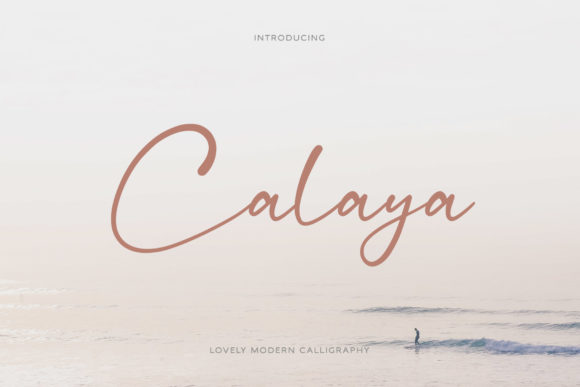
Calaya: The Font That Boosted My Bakery’s Brand
Running a small bakery is all about creating something that feels personal and special. Every detail matters—from the aroma of fresh-baked bread to the way your packaging looks on the shelf. One day, I realized that the font on my product labels was holding me back. It felt outdated, inconsistent, and didn’t reflect the care I put into every item I made. That’s when I discovered Calaya.
The Moment I Needed a New Font
I was preparing a new batch of lavender honey cookies for an upcoming pop-up event. I wanted the packaging to stand out, but I was stuck. My current font looked too generic, and I couldn’t shake the feeling that it wasn’t telling the story I wanted to share. I needed something more elegant, more expressive, and more in line with the cozy, artisanal vibe of my brand.
That’s when I stumbled upon Calaya. Right away, I knew it was different. It had that classic calligraphic feel, but it also felt modern and fresh. It wasn’t too fancy, and it wasn’t too casual—it struck the perfect balance between sophistication and approachability.
Why Calaya Works for Small Businesses
Calaya isn’t just another script font. It’s a typeface designed with real-world use in mind. Whether you’re creating a logo, designing product labels, or updating your social media graphics, Calaya has the versatility to fit a wide range of design needs. Its clean lines and subtle flourishes make it ideal for both headlines and supporting text, which is a huge plus when working on branding materials.
One of the things I love most about Calaya is how it adapts to different formats. On my bakery boxes, it adds a touch of elegance without overwhelming the design. When I use it on my Instagram posts, it feels friendly and inviting, which helps build a connection with my audience. And when I print thank-you cards for customers, it gives them a sense of appreciation that goes beyond the product itself.
Real-World Applications for Calaya
Since switching to Calaya, I’ve used it in several key areas of my business:
- Logo Design: I paired Calaya with a simple sans serif font to create a logo that feels balanced and professional.
- Product Labels: It works beautifully on my cookie jars and cake boxes, making the product names stand out while keeping the design cohesive.
- Social Media Graphics: Calaya adds a nice visual element to my Instagram stories and Facebook posts, helping my brand feel more authentic.
- Thank-You Cards: Using Calaya on these cards gives customers a personal touch that feels meaningful.
- Menu Design: For my café menu, I used Calaya as the main font, and it helped elevate the overall look of the document.
What I’ve noticed is that using Calaya consistently across all my branding materials has made my business feel more polished and trustworthy. Customers start to recognize my brand not just by the products, but by the visual language I’ve chosen.
Readability Matters
When choosing a font for your business, readability is just as important as style. Calaya is surprisingly legible even at smaller sizes, which makes it great for product tags and social media thumbnails. I’ve tested it on printed packaging and digital mockups, and it always looks sharp and clear.
For small labels, I recommend using Calaya in a slightly larger size to ensure it’s easy to read from a distance. On mobile screens, it holds up well, which is a big plus for online shoppers who might be browsing on their phones.
Font Pairing Tips
Calaya pairs well with a variety of other fonts, depending on the mood you want to create. Here are a few combinations I’ve found work well:
- Clean Sans Serif: A font like Montserrat or Roboto creates a modern, minimalist contrast.
- Elegant Serif: Something like Playfair Display adds a touch of sophistication.
- Script Font: If you’re going for a more decorative look, pair it with another script font for a cohesive feel.
- Handwritten Font: For a more personal touch, try pairing it with a soft, cursive font.
- Modern Typography: Use Calaya alongside geometric or rounded sans serifs for a fresh, contemporary vibe.
Experimenting with different pairings has helped me find the right balance for each project, and it’s been a fun way to explore new design possibilities.
Getting Started with Calaya
If you’re considering Calaya for your business, there are a few things to keep in mind before you dive in:
- Check Included Styles: Make sure the font comes with the styles and weights you need, such as bold, italic, or ligatures.
- File Formats: Confirm that the font is available in the formats you require, like OTF or TTF.
- Commercial Licensing: Ensure you have the proper license for commercial use, especially if you’re printing packaging or selling digital downloads.
- Multilingual Support: If you plan to use the font in multiple languages, verify that it supports those characters.
- Design Assets: Look for any additional assets, like SVGs or icons, that might help you get started quickly.
Once you’ve got everything set up, it’s time to start applying Calaya to your designs. Whether you’re updating your website, redesigning your packaging, or creating new social media graphics, this font can help take your brand to the next level.